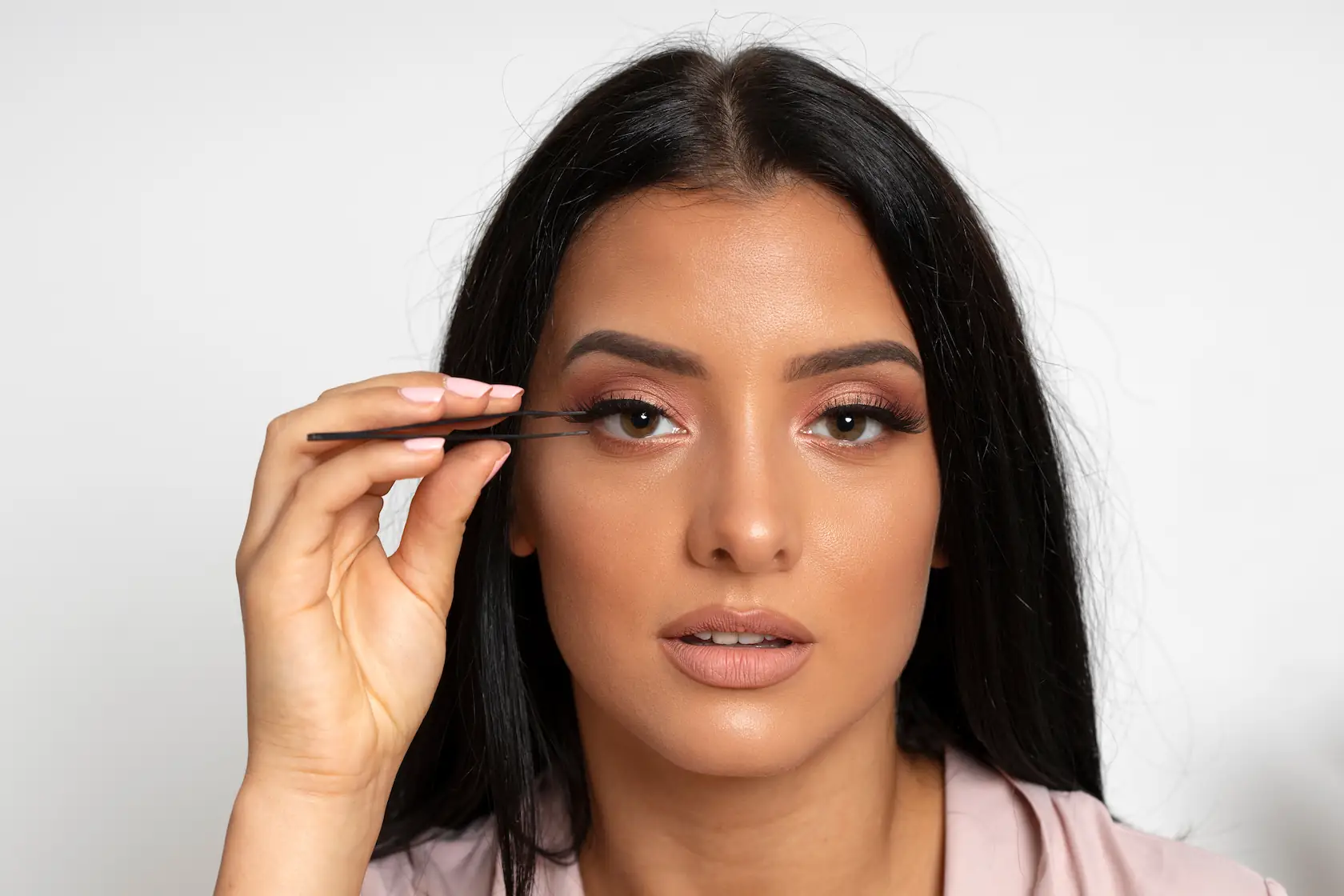
You're scrolling between a salon's booking page and reviews of cluster lash kits, doing the same mental math over and over. The salon promises a polished look when you wake up, but the first appointment costs more than expected and the fills keep coming. The at-home option looks cheaper, yet you're wondering whether application will be difficult, whether the result will last, and whether repeated wear could affect your natural lashes.
So, are eyelash extensions worth it? Yes for some wear patterns, no for others. The right answer depends on how often you'll wear them, how much recurring maintenance you'll tolerate, how sensitive your eyes and skin are, and whether you value a salon-controlled finish more than flexibility. A daily wearer and an occasional wedding guest shouldn't make the same lash decision.
Table of Contents
- The Real Question Behind Lash Extensions
- Breaking Down the True Cost of Eyelash Extensions
- Salon Extensions Versus At-Home Cluster Lashes
- Health Risks and Allergic Reactions You Should Know About
- How to Build a Safe At-Home Cluster Lash Routine
- Matching Your Wear Pattern to the Right Lash Option
- The Final Verdict on Eyelash Extensions
The Real Question Behind Lash Extensions
Those asking whether eyelash extensions are worth it already like the look. They want darker, fuller, more defined eyes without applying mascara each morning. The uncertainty usually comes later, when the attractive one-time transformation becomes a routine involving fills, aftercare, scheduling, and possible irritation.
A client who wears lashes every day may see genuine value in waking up ready, especially if she dislikes mascara or has a demanding schedule. Someone attending one event, taking a holiday, or wanting a temporary change may get better value from a removable at-home system. The same product can feel luxurious to one person and wasteful to another.
Three questions usually settle the issue:
- How often will you wear them? Daily or near-daily wear makes a maintained salon set more useful, while occasional wear makes recurring fills difficult to justify.
- How much maintenance fits your life? Salon extensions require appointments and careful upkeep. At-home clusters require a learning curve, but they let you decide when to apply and remove them.
- How tolerant are your eyes and skin? A history of contact dermatitis, eyelid inflammation, or sensitive eyes deserves serious consideration before you commit to an adhesive-based routine.
The practical test: Don't ask whether extensions are worth the price in isolation. Ask whether the result earns its cost for the number of days you'll actually wear it.
The market's continued expansion supports the idea that many consumers do find value in lash services. Independent estimates place the global eyelash extension market at about USD 1.48–2.1 billion in 2025–2026, with projected growth of roughly 6.8%–7.4% CAGR and a forecast size of approximately USD 2.44–3.8 billion by 2032–2034, according to industry market estimates. That reflects sustained demand, not proof that salon extensions suit every individual.
The useful question is personal: Which lash routine gives you the look you want at a cost, time commitment, and risk level you can comfortably repeat?
Breaking Down the True Cost of Eyelash Extensions
A salon lash appointment can look affordable on its own. The annual total tells a different story. The first full set is only the starting cost, because natural shedding creates gaps and regular wearers usually schedule fills to keep the lash line full.
Industry pricing summaries commonly place a salon full set at approximately $99–$249 or more, with refills around $40–$135 every two to three weeks. Continued maintenance can reach roughly $1,200–$3,500 annually, depending on local pricing, refill frequency, and service level, according to salon lash pricing information.
That recurring total determines whether salon extensions suit your habits. A set may make sense for a concentrated period, such as a holiday or major event. Keeping it year-round means paying for repeated appointments, technician time, isolation work, styling judgment, adhesive, and the finished look.

Salon spending compared with DIY spending
At-home clusters use a different cost structure. Market reporting places DIY cluster kits commonly around $10–25, with full DIY kits often positioned around $15–35, while professional sets and fills follow the higher recurring model described above, according to the lash extension market report. Your total depends on kit replacement, cluster usage per application, and whether you buy extra tools or remover.
Use this formula before choosing a routine:
Annual lash spend = initial purchase or full set + maintenance visits or replacement kits + tools and removal products.
Your wear pattern provides the clearest break-even guide:
| Wear Pattern | Salon Annual Cost | DIY Kit Annual Cost |
|---|---|---|
| Daily or continuous wear | About $1,200–$3,500, based on sustained fills | Often lower than continuous salon maintenance, with total cost dependent on kit use |
| Event-focused wear | One full set, commonly about $99–$249 or more | Usually a small number of kits, commonly positioned around $10–25 per kit |
| Travel-focused wear | Full set plus any required fills around travel dates | Replacement kits based on trips and application frequency |
| Occasional experimentation | A full set can be disproportionate to limited use | A single DIY kit may cover limited applications, depending on usage |
Another cost guide places salon maintenance around $100–$300 for a full set and $50–$100 every two to four weeks, with a potential annual total of roughly $1,000–$2,500, as summarized by Healthline's eyelash extension pros and cons guide. The difference reflects variation among salons, regions, set styles, and refill policies.
For shoppers comparing recurring appointments with home application, the break-even point is practical. A few months of salon fills can exceed the cost of multiple DIY kits, especially if you need defined lashes for events or travel rather than uninterrupted annual wear. A Cluster Lash Kit is one at-home option, with the catalog describing 144 lightweight clusters per box for use at home, on the go, or on holiday. For a broader at-home setup, compare an at-home lash extension kit with the tools and removal products your routine requires.
Choose salon extensions if you will wear them continuously and value professional styling enough to support recurring costs. Choose DIY if you apply lashes intermittently, want control over timing, or need a firm annual budget.
Salon Extensions Versus At-Home Cluster Lashes
If you want lashes ready every morning for months, salon extensions fit that wear pattern. If you only need definition for a holiday, weekend, photos, or occasional event, at-home clusters usually make more financial sense. The right comparison is your annual use, not the price of one appointment or one kit.
Salon extensions commonly last about four to six weeks before shedding makes fills necessary, although maintaining a full, polished look usually means returning sooner. Fill appointments often take 45–90 minutes, according to lash service pricing and maintenance guidance. Add travel, scheduling, and a recurring place in your calendar. Those costs matter if you wear extensions throughout the year.
At-home clusters suit shorter, planned wear. Afterglow describes its cluster system as offering up to five to seven days of wear when applied as instructed, with application guidance, bond, seal, remover, and precision tools available for the routine. You control when the lashes go on and when they come off, without maintaining salon appointments between uses.

The daily-life comparison
Retention: Salon extensions provide the longer wear system, but natural shedding creates gaps and leads to fills. Clusters have a shorter wear window, which suits a defined look with a clear start and finish.
Time: A salon set requires a lengthy first appointment and repeat touch-ups. A practiced cluster application can take approximately 15 minutes based on the described routine. Beginners should allow more time while learning placement and adhesive control.
Customization: A salon artist can adjust length, curl, density, and eye-shape styling. Clusters give you control through placement and selection, but their pre-made shapes limit the precision available from individually applied extensions.
Convenience: Salon lashes look polished as soon as the appointment ends, but they depend on bookings. Clusters fit travel and occasional use because you can carry the kit, apply the lashes away from home, and remove them without another salon visit.
Your break-even point depends on wear frequency. Continuous wear can justify salon maintenance when professional styling and time savings matter to you. Occasional wear favors clusters, since repeated salon fills can cost more than several DIY applications over the same year. Choose the salon for consistent daily lashes. Choose clusters for flexibility, event-based use, and tighter annual spending.
Skill level remains part of the calculation. A qualified technician can create symmetry and select a suitable style. A DIY wearer must work carefully near the lash line and learn how much bond to use. If you are patient and comfortable with precision tools, home application gives you control. If fiddly beauty tasks frustrate you, the salon fee also pays for relief from the process.
Health Risks and Allergic Reactions You Should Know About
The annual value of lash extensions changes quickly if irritation interrupts your wear pattern. Adhesive sits close to the eye, repeated applications expose the area again, and removal can stress delicate natural lashes. Clinical literature documents irritation, inflammation, allergic reactions, and other complications, so safety belongs in your cost calculation from the first appointment.
A PubMed-indexed case series involving 107 patients with eyelash-extension-related disorders reported keratoconjunctivitis in 64 cases and allergic blepharitis in 42 cases. The report also found formaldehyde above the standard threshold in all three tested glues, as detailed in the PubMed-indexed clinical case series.
A separate study of female students reported ocular side effects after eyelash extensions. Symptoms included itching, redness, pain, and heavy eyelids. The findings do not mean every wearer will react, but they do make persistent irritation a risk to address rather than dismiss.

Who should be especially cautious
Sensitive eyes, previous contact dermatitis, eyelid inflammation, or an earlier adhesive reaction all justify extra caution. A clinical review of artificial eyelash complications identifies allergic contact dermatitis, blepharitis, conjunctivitis, keratitis, corneal abrasions, and natural eyelash loss among recognized complications.
Research has also reported ocular-surface differences between wearers and non-wearers. Watery eyes appeared in 38.5% of wearers versus 21.6% of non-wearers, natural eyelash loss in 17.3% versus 9.6%, and eyelash abnormalities in 62.2% versus 1.9%, according to the PubMed-linked evidence. Repeated exposure and rough removal can reduce the value of a routine that initially feels comfortable.
Stop and get medical advice for persistent burning, swelling, marked redness, pain, unusual discharge, blurred vision, or a sudden change in lash density. Do not pull extensions off dry. Anyone with an active eye condition or a recent eye procedure should seek medical guidance before using adhesive lashes.
Clusters give you control because you can remove them between wears, yet they still require careful handling. Use eye-area products, apply adhesive sparingly, keep it off the waterline, and remove the set at the first sign of a reaction. For more detail on protecting natural lashes, read this natural lash health resource.
How to Build a Safe At-Home Cluster Lash Routine
A safe DIY routine depends on control, not maximum drama. Clean preparation, limited adhesive, a lightweight design, and proper removal protect the natural lash line better than forcing a dense set to last.
Start with clean, controlled preparation
Prep and clean. Remove makeup, oil, and skincare residue from the eyelids and natural lashes. An oil-free surface supports a consistent bond, so you do not need to compensate with extra adhesive.
Choose a manageable style. Start with lightweight clusters and natural density. Match the lengths to your eye shape instead of covering the entire lash line with the heaviest option.
Use adhesive sparingly. Apply a lash-safe bond to the cluster band or the area specified by the product. Excess adhesive creates tackiness and clumps, while increasing unnecessary contact with the eyelid.
Place and set. Position each cluster close to, but not directly on, the waterline. Precision tweezers can help with under-lash placement. Hold the cluster until it sets according to the product directions, rather than shifting it repeatedly.
Seal and skip mascara. Use a seal if the system calls for one to finish the bond-and-seal process. Mascara over clusters or bonds adds rubbing during removal and makes the set harder to take down.
The publisher's at-home cluster application guide explains placement and the bond-and-seal process. Follow the instructions for your specific adhesive because formulas and application methods differ.

Protect the result and remove it properly
Avoid rubbing your eyes, tugging loose clusters, or sleeping with your face pressed into the pillow. If a cluster lifts, do not add more bond until you have checked the product's removal and reapplication instructions. Use a dedicated remover and release the set gently instead of pulling.
After removal, cleanse the area carefully. Give your natural lashes a break if the skin or lash line feels tender. For a simple routine between applications, Ella & Eden eyelash care oil is one option to review. Keep oil-based products away from a fresh bond if you want the adhesive to hold.
For travel, pack clusters, bond, seal, remover, a clean applicator, and a small mirror. Apply before the event, not while rushing in a hotel bathroom, and bring enough product for a careful replacement rather than extending a failing cluster indefinitely.
Matching Your Wear Pattern to the Right Lash Option
Your calendar gives a better answer than a generic “salon versus DIY” debate. The person who wears lashes continuously needs a different system from someone who wants them for a single celebration.

Daily routine wear
If you want lashes every day and value a polished, customized finish, salon extensions are the stronger fit. They remove daily application from your routine and let a trained technician adjust the look to your eye shape, natural lash condition, and preferred density. The trade-off is an ongoing financial and scheduling commitment, so this choice only makes sense if you'll consistently use the service.
Event-only wear
For weddings, parties, photographs, or occasional evenings out, at-home clusters usually offer better value. You get control over timing and can avoid paying for a maintained salon system that you won't keep wearing. Practice before the event, rather than making the first application an hour before leaving.
Travel wear
Travelers often benefit from removable clusters because they can pack a compact routine and apply lashes when needed. A week-long wear format can reduce the need to locate a salon while away, although you still need to follow careful hygiene and removal practices.
Occasional experimentation
If you wear lashes only rarely, reusable strip lashes or occasional clusters are more rational than a salon commitment. You can change the style for a particular outfit without carrying the cost of fills between events.
Your break-even point is behavioral: the more often you wear lashes, the more a durable system can justify itself. The less often you wear them, the more important low commitment becomes.
Use this checklist before buying:
- Budget: Can you comfortably repeat salon maintenance, or would replacement kits feel easier to control?
- Sensitivity: Have adhesives, eye makeup, or skincare caused reactions before?
- Time: Do you prefer a technician's appointment, or can you learn a short home application routine?
- Style: Do you need bespoke curls and mapping, or are pre-made clusters flexible enough?
- Removal: Are you willing to remove the look properly rather than pull at it?
If you're also comparing lash enhancement with growth-focused options, this resource on Latisse cost and prescription help can help you understand that prescription route separately. It isn't a substitute for deciding whether extensions fit your wear pattern, but it's relevant if your goal is fuller natural-looking lashes over time.
The Final Verdict on Eyelash Extensions
Your wear pattern decides whether extensions earn their place in your routine. Salon eyelash extensions are worth it if you want a polished, customized look almost every day, tolerate adhesive well, and accept recurring appointments. They suit clients who value convenience more than flexibility.
At-home cluster lashes are worth it for events, travel, occasional wear, and first-time testing. They give you control over timing, style, and removal, but the result depends on careful application, maintenance, and removal. Review the cost comparison in the dedicated section above, then identify your break-even point by considering how often you wear lashes.
Sensitive eyes change the recommendation. Adhesives can cause irritation, allergic blepharitis, keratoconjunctivitis, or lash abnormalities. If you have reacted to eye products before, test cautiously and stop at the first sign of discomfort.
My recommendation is direct: choose the salon for consistent, hands-off wear. Choose clusters for lower commitment and specific days. If you are unsure, start with a removable home routine before adopting a long-term salon schedule.
Afterglow provides cluster lashes, bond, seal, remover, tools, tutorials, and written guidance for home use. Visit Afterglow to compare options and build a setup around your actual wear pattern.